AI Coding: The Future of Software Development in the Age of Artificial Intelligence
The Shift in Programming Paradigms with AI Coding
The tech landscape shifts fast. Furthermore, artificial intelligence drives this rapid change through AI coding. Consequently, intelligent systems write code on their own. This process relies heavily on modern automation methods. Traditional coding methods face major challenges now. Therefore, enterprises must adapt quickly to stay competitive in a digital economy. Software engineering has entered an unprecedented era where lines of code are increasingly conceptualized and generated by neural models rather than manual keystrokes alone. This paradigm shift requires engineers to think more like system directors and less like traditional syntax writers. Modern technical teams now evaluate projects through the lens of prompt design, architectural oversight, and model output validation rather than getting bogged down in syntax errors. Furthermore, this evolution redefines efficiency standards across global engineering departments, enabling faster prototyping and shortened product lifecycles.
Modern Development Workflows Using Smart Automation
Artificial intelligence forms a core part of daily development. Specifically, smart assistants help engineers build apps faster using digital automation. These tools handle repetitive tasks easily. Meanwhile, development teams focus on big architecture goals. Ultimately, smart toolsets improve coding speed across the board, reducing time-to-market for digital products. Daily routines now involve continuous synchronization with machine learning repositories that auto-complete functions, suggest refactoring paths, and auto-generate boilerplate templates, transforming how development teams allocate their daily hours. Engineers spend less time writing boilerplate code and more time designing scalable features, refining user interfaces, and ensuring cross-platform compatibility. This structural transition elevates overall team productivity and minimizes burnout caused by tedious administrative tasks.
Democratizing Software Creation via Low-Code Tools
Low-code platforms change who builds software. Through automated techniques and visual frameworks, non-technical users can build simple apps. People describe their needs in plain English. Subsequently, smart systems turn those words into real code. Thus, business owners launch tools without hiring massive engineering teams, expanding digital access. This democratization bridges the gap between creative business logic and technical execution, allowing domain experts across various industries to build bespoke tools without extensive programming backgrounds. Marketers, financial analysts, and operational managers can prototype solutions instantly, reducing dependency on bottlenecked IT departments. Consequently, innovation accelerates as business units rapidly experiment with custom digital tools tailored to their unique operational requirements.
The Evolving Role of Developers and System Architects
Human developers remain essential today. However, advanced automation does not replace human skill. Algorithms generate code efficiently. Nevertheless, they lack true business intuition. Developers now act as system architects. Moreover, human oversight ensures software meets real user needs and organizational goals. As routine writing shifts to automated frameworks, the professional value of an engineer shifts toward high-level logic, security validation, architecture planning, and contextual problem-solving that requires deep human empathy and strategic foresight. Developers now mentor junior staff, oversee integrations, and validate that machine-generated outputs align with business constraints. This dynamic empowers technical leaders to focus on long-term technological vision rather than getting trapped in immediate debugging cycles.
Security and Quality Control Enhanced by AI Coding
Code safety is a top priority for teams. Specifically, modern software tools and AI coding platforms scan repositories instantly. Machine learning spots bugs and security flaws fast. Automated scanners catch hidden errors early. Hence, this proactive approach prevents costly data breaches and strengthens security postures. Vulnerability detection occurs continuously in real-time background threads, flagging anomalies long before code reaches pre-production testing or deployment stages, thereby establishing a much tighter defense perimeter against malicious exploits. Continuous integration pipelines incorporate automated security audits to ensure compliance with global regulatory frameworks, reducing human oversight gaps and safeguarding sensitive enterprise infrastructure from emerging digital threats.
Advanced Testing and Quality Assurance Suites
Testing apps used to take huge amounts of time. Now, specialized suites create test cases automatically. Intelligent systems simulate millions of user actions. They find edge cases before software launches. Therefore, quality assurance becomes much faster and reliable, minimizing production bugs. Automated script generation covers comprehensive boundary conditions, stress scenarios, and user journey paths that manual testing teams might otherwise overlook due to time constraints. As a result, software releases happen with higher frequency and greater stability, boosting overall product reliability and user trust. Quality assurance engineers now design sophisticated evaluation matrices rather than writing repetitive, manual test scripts.
Scalability and Architecture Maintenance Protocols
Modern apps must scale smoothly. However, modern deployment introduces new maintenance challenges managed through smart protocols. Systems learn constantly from user data. Developers manage data pipelines and model drift. Furthermore, maintaining reliability requires deep interdisciplinary expertise and careful system monitoring. Microservices and distributed cloud environments rely heavily on autonomous oversight to rebalance workloads and sustain peak performance during unexpected traffic spikes. Architectural patterns must evolve dynamically to accommodate self-optimizing codebases and fluctuating cloud resource demands. Maintaining architectural integrity in autonomous environments demands rigorous monitoring frameworks and proactive intervention strategies.
Human and Machine Collaboration in AI Coding
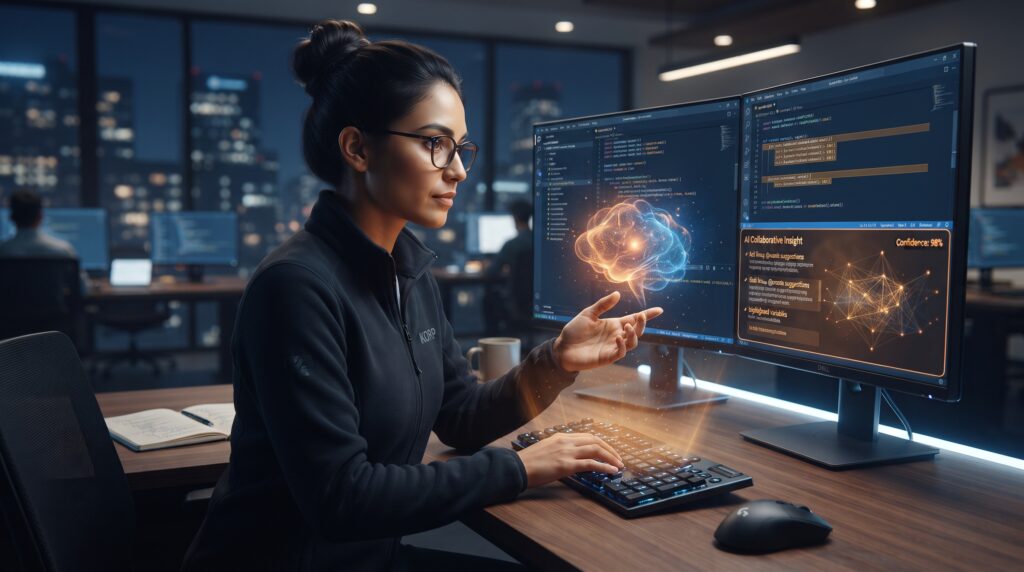
Team dynamics change with new tools. In fact, smart pairings bring humans together with intelligent co-pilots during AI coding sessions. Developers collaborate with models in real-time. Co-pilots suggest fixes and explain legacy scripts. Consequently, this teamwork speeds up overall project delivery and enhances code comprehension. This synergistic relationship turns solitary programming tasks into collaborative dialogs, where machines offer options and human engineers make informed, ethical, and structural final decisions. Junior developers also benefit immensely by learning best practices directly from real-time contextual explanations provided by intelligent assistant tools. This interactive mentorship model accelerates skill acquisition and fosters deeper technical confidence across diverse engineering teams.
Legacy System Modernization Through AI Coding
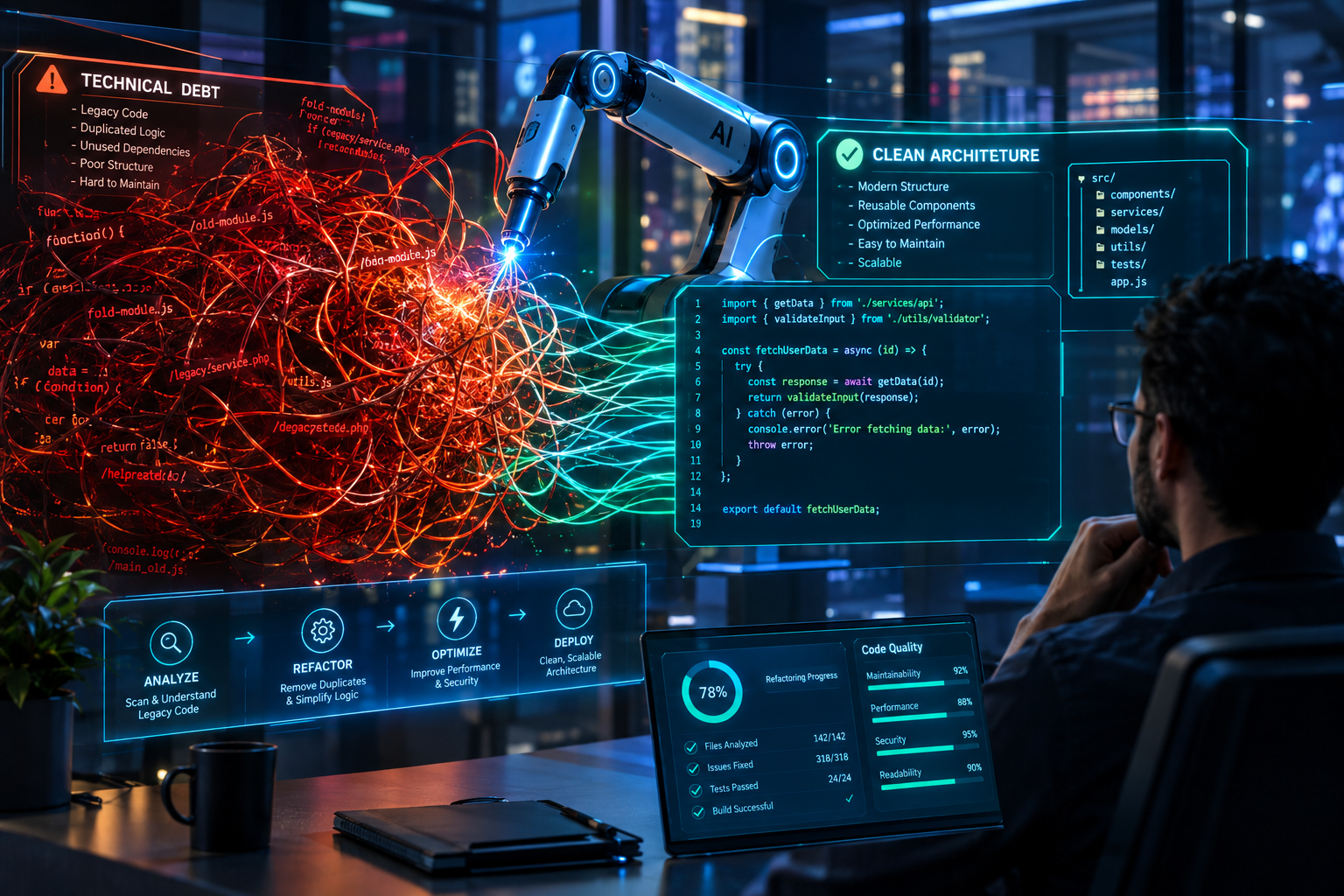
Outdated software costs companies money. Fortunately, modern toolsets and AI coding platforms help modernize old codebases. Advanced models translate legacy languages accurately. Automated refactoring saves countless hours of manual work. Meanwhile, organizations upgrade systems with minimal downtime and lower financial overhead. Migrating decades-old monolithic frameworks to modern containerized cloud architectures becomes feasible when intelligent utilities safely parse, document, and convert obsolete programming syntax into clean, maintainable code. Enterprises no longer need to fear the high costs and risks associated with overhauling critical legacy systems. Modernization initiatives become systematic, predictable projects rather than chaotic, multi-year engineering nightmares.
User Experience and Front-End Design Frameworks
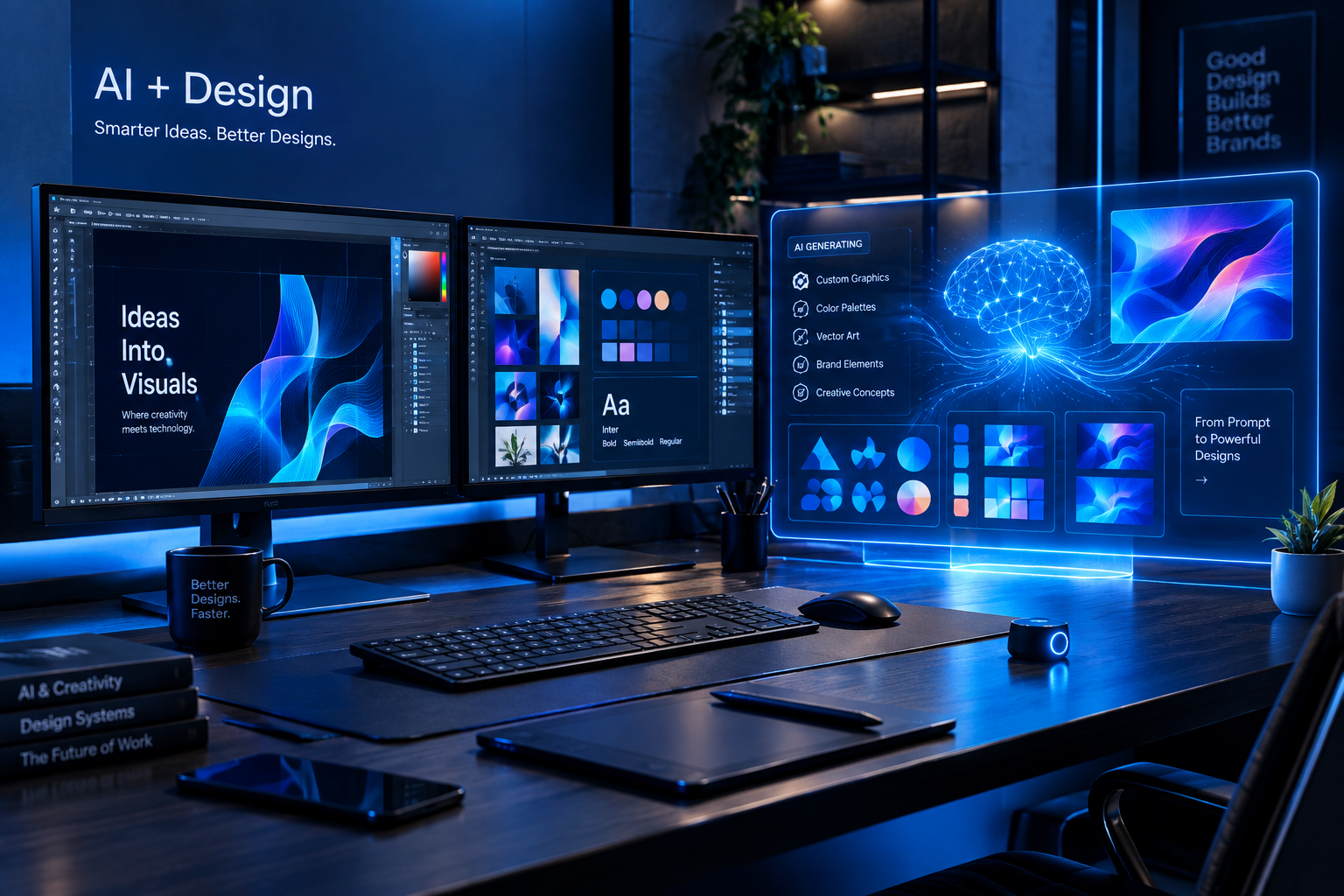
Design tools now connect directly to code. Through visual frameworks and responsive layouts, wireframes convert instantly. Smart algorithms analyze user engagement metrics. Furthermore, they suggest dynamic interfaces tailored to visitors. User experiences improve continuously, driving higher customer retention and satisfaction. The friction between UI/UX design teams and front-end developers diminishes as automated pipelines map visual wireframe components directly into production-ready component libraries. Designers and developers collaborate seamlessly within unified ecosystems that bridge visual intent and technical execution. This alignment ensures that aesthetic vision translates precisely into functional, high-performing digital interfaces without misinterpretation.
Ethics and Governance in Digital Transformation
Governance matters in modern software creation. Naturally, digital transformation raises questions about intellectual property. Regulators enforce strict privacy standards. Teams ensure models avoid harmful algorithmic biases. Therefore, ethical oversight protects end users and builds long-term trust in digital platforms. Ensuring transparency in automated generation processes prevents unintentional copyright infringements and mitigates algorithmic discrimination, making robust governance frameworks a mandatory pillar for modern technical operations. Organizations must establish clear guidelines regarding data ingestion, model training transparency, and accountability for automated decisions. Upholding these ethical boundaries ensures long-term corporate responsibility in an increasingly autonomous digital marketplace.
Cloud Computing and DevOps Enabled by Intelligent Systems
Cloud operations merge closely with automation. Specifically, modern platforms power intelligent AIOps tools driven by smart infrastructure. These systems monitor server health automatically. They scale resources during heavy traffic surges. Hence, infrastructure management requires less manual intervention and guarantees high availability. DevOps pipelines leverage predictive analytics to anticipate resource bottlenecks, optimizing operational expenditures while ensuring uninterrupted uptime across global server distribution networks. Infrastructure-as-code scripts are dynamically optimized to eliminate waste and enhance operational efficiency. Teams benefit from streamlined deployments that reduce operational friction and accelerate software delivery velocity.
Educational Pathways for Modern Engineers
Computer science education shifts focus. In response, modern curricula change what students learn. Schools teach prompt engineering and system design. Aspiring engineers master collaboration with intelligent tools. Ultimately, adaptability becomes a core career skill for the next generation of tech professionals. Academic institutions now prioritize critical thinking, algorithmic logic, and collaborative prompt iteration over rote memorization of syntax, preparing graduates for dynamic technical environments. Continuous upskilling programs are now standard across enterprises to help existing workforces adapt to rapid toolchain evolution. Fostering a culture of lifelong learning ensures that engineers remain valuable contributors amid shifting technological tides.
Open-Source Growth Driven by Global Networks
Open-source communities expand rapidly. Furthermore, global networks bridge language barriers for contributors. Automated tools generate documentation instantly. Smaller teams leverage enterprise-grade capabilities easily. Consequently, shared repositories grow faster than ever, accelerating collaborative technological progress worldwide. Language localization and automated code documentation lower entry barriers for global contributors, fostering vibrant, inclusive, and fast-moving open-source ecosystems. Community-driven models benefit from enhanced contribution velocity and broader peer review cycles. This democratization of code contribution fuels global innovation on an unprecedented scale.
Disruptive Future Innovations in Tech
Future tech promises even bigger changes. Soon, advanced systems will drive quantum computing integration. Autonomous agents will manage entire project lifecycles. Boundaries between human creators and machines will blur. Moreover, industries will transform completely as these disruptive capabilities mature. As autonomous agents take charge of end-to-end multi-file implementations, software development will transition from writing individual functions to steering autonomous project execution pipelines. Innovators will focus entirely on conceptual ideation while autonomous systems handle physical realization. This transformation will redefine human achievement and push the boundaries of digital capability.
Navigating the Digital Transition with AI Coding
Success requires a balanced strategy. Specifically, modern engineering boosts human potential. Organizations must embrace continuous learning. Creativity combined with automation wins the future. Therefore, professionals must prepare for tomorrow. Utilizing AI coding workflows effectively ensures long-term success and enduring market leadership. Embracing this technological evolution without losing sight of human creativity guarantees that organizations will remain agile, innovative, and resilient in an increasingly automated world. Strategic investment in both tools and human capital will define the market winners of tomorrow, ensuring sustainable growth and technological excellence across all sectors.