The Autonomous Web Paradigm: Optimizing WordPress Infrastructure for AI-Agent Discovery and Content Negotiation
The digital landscape is undergoing a massive transformation. Furthermore, for decades, search engine optimization focused exclusively on human-facing metrics. Developers optimized page speed for human browsers, wrote copy for human psychology, and built visual interfaces for human eyes. Today, a new era is taking over: the agentic web. Consequently, autonomous AI-agent discovery, automated scrapers, and smart web-browsing workflows traverse the internet daily. These tools fetch data, execute tasks, and curate services for users automatically. However, if your website is built solely for human visitors, you are missing an automated economy. Modern web development must evolve. Most importantly, it needs to serve both biological users and autonomous machine agents seamlessly through advanced content negotiation.
Understanding AI-Agent Discovery: The Shift from HTML to Markdown
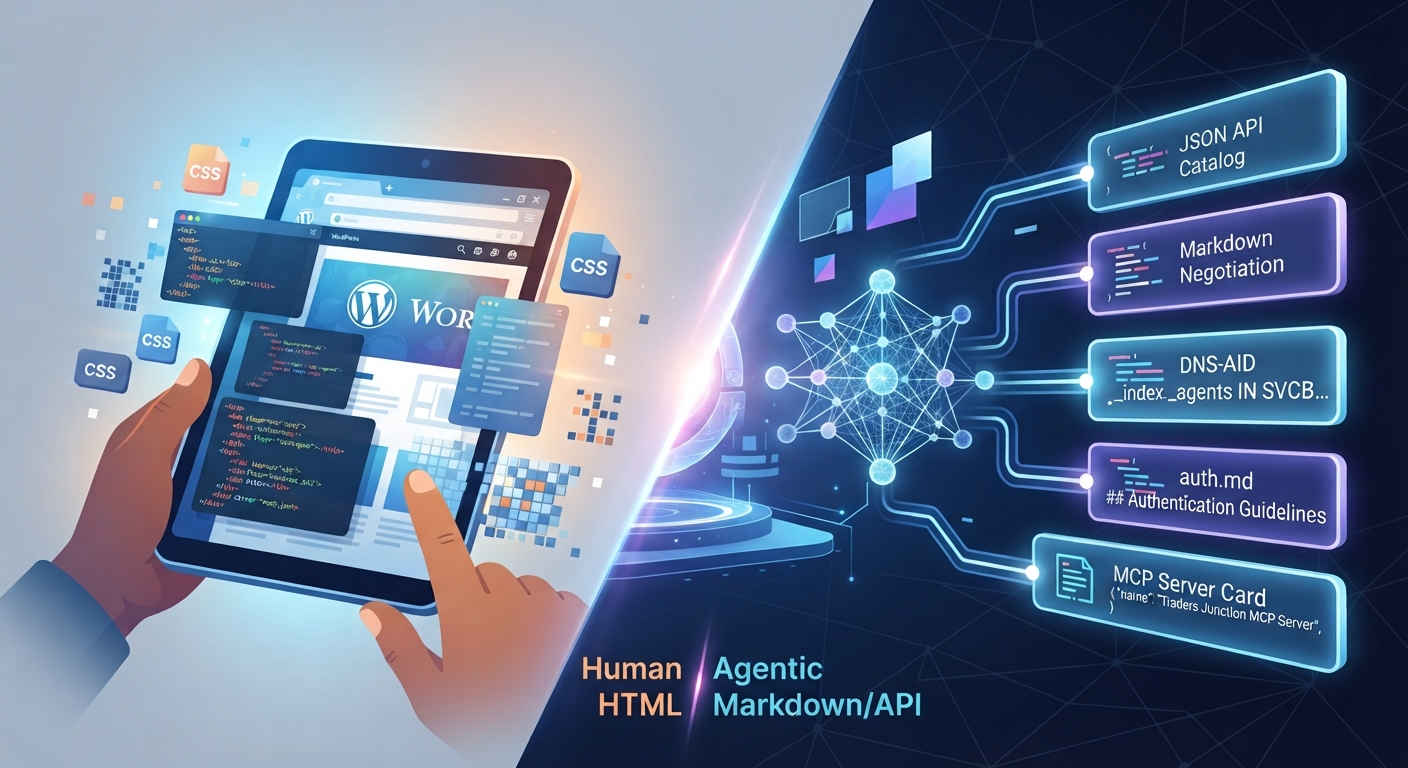
Traditional web servers are built with a single assumption. Namely, every incoming request comes from a graphical browser demanding a heavy HTML document. When an AI-agent discovery tool pings your server, delivering a massive DOM tree is highly inefficient. Heavy CSS files, tracking pixels, and styling wrappers increase token consumption. Additionally, they slow down ingestion speed for large language models. Agentic web discovery solves this with server-side content negotiation. When an intelligent agent issues a request with the header Accept: text/markdown, your server changes its output stream accordingly. Instead of heavy HTML, the server delivers a clean, structured Markdown document. Ultimately, this guarantees that AI parsers ingest your core services instantly using a fraction of the computing power required by traditional scrapers.
The Technical Anatomy of Modern Web Domains for AI-Agent Discovery and Autonomous Crawlers
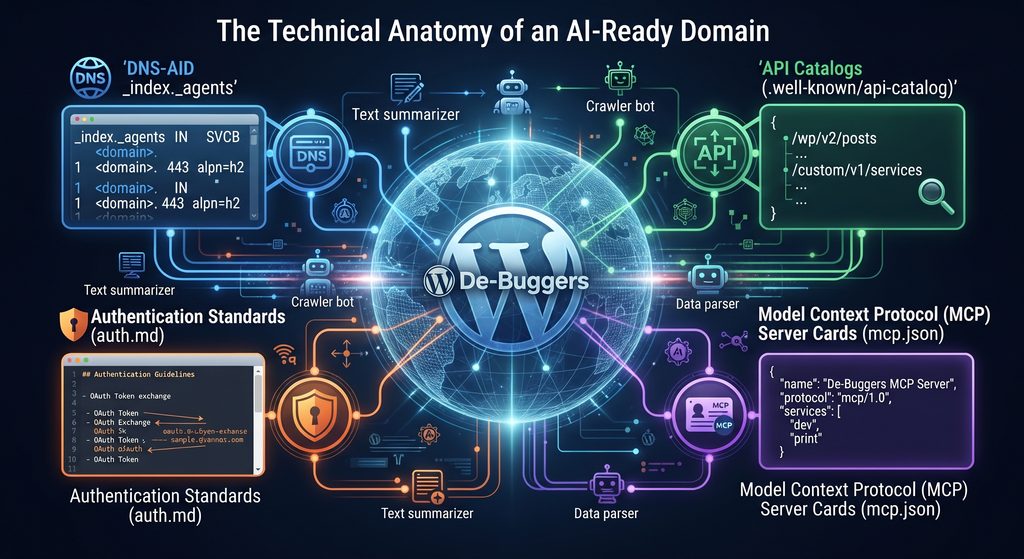
Building a website that satisfies human intent and machine compliance requires an infrastructure upgrade. Specifically, modern technical audits evaluate specific markers to check if a domain supports autonomous interactions:
- DNS-AID Architecture: Specifically, deploying records like
_index._agentsto broadcast machine routes to crawlers. - API Catalogs (.well-known/api-catalog): Furthermore, publishing JSON linksets that map cleanly to your backend endpoints.
- Authentication Standards (auth.md): In addition, maintaining clear directives on how automated programs handle public data.
- Model Context Protocol (MCP) Cards (mcp.json): Consequently, establishing profiles that define server capabilities for AI assistants.
Bridging Creative Services and the Digital Economy via AI-Agent Discovery
Digital agencies offer multi-faceted solutions like web development, SEO, and custom design. Translating these complex services into data structures that AI systems can recommend is a major hurdle. For example, when an enterprise AI agent searches for a technical partner, it does not browse aesthetic galleries. Instead, it queries structured metadata and markdown catalogs. By organizing your service architecture into clean formats, you enable automated procurement systems to recommend your agency. Imagine an automated corporate workflow sourcing a web developer and an SEO strategist. If your domain exposes a valid MCP card, that AI agent indexes your portfolio instantly without rendering blocks.
Crafting High-Impact Content Strategy for Mixed Audiences and AI-Agent Discovery
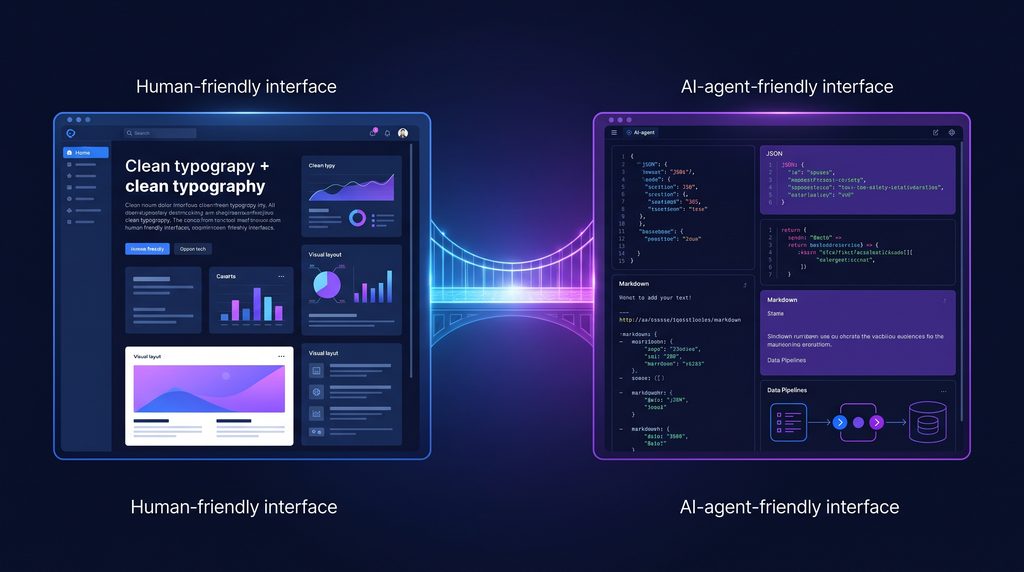
Balancing technical machine optimization with traditional search readability requires a disciplined framework. While your server delivers markdown for bots, your published articles must simultaneously satisfy human search intent. To rank successfully for high-intent niches like agentic web optimization, your content must maintain strict structural integrity:
- Keyword Distribution: Distributing focus keywords naturally across subheadings and body paragraphs.
- Readability & Flow: Keeping sentence lengths concise while using effective transition words.
- Comprehensive Depth: Expanding on technical steps to signal deep authority to search engines.
Step-by-Step Implementation Guide for Modern Web Development Agencies
Upgrading your web agency’s digital infrastructure to support next-generation AI discovery involves a systematic technical rollout. Therefore, follow this checklist carefully:
- Configure Markdown Negotiation: Update your theme files to intercept requests containing
Accept: text/markdownand serve clean equivalents. - Deploy .well-known Endpoints: Create virtual endpoints for your API catalog and MCP server cards.
- Publish Agent Guidelines: Add a root-level
auth.mdfile and update your robots.txt configuration with clear parameters.
The Role of Structured Data and Semantic Markup in Programmatic Workflows
Content negotiation handles how raw text is ingested by automated parsers. However, structural metadata remains the foundational bedrock for AI trust. Traditionally, SEO relied on human-facing schemas like local business markup and FAQs. In the era of agentic web discovery, structured data must serve programmatic workflows. When an AI crawler inspects your web infrastructure, it looks beyond visual tags. Instead, it analyzes deep semantic hierarchies that define your pricing frameworks and technical capabilities. Implementing advanced JSON-LD schemas ensures automated agents map your agency offerings without ambiguity.
Maximizing Long-Term ROI Through Proactive Infrastructure Engineering
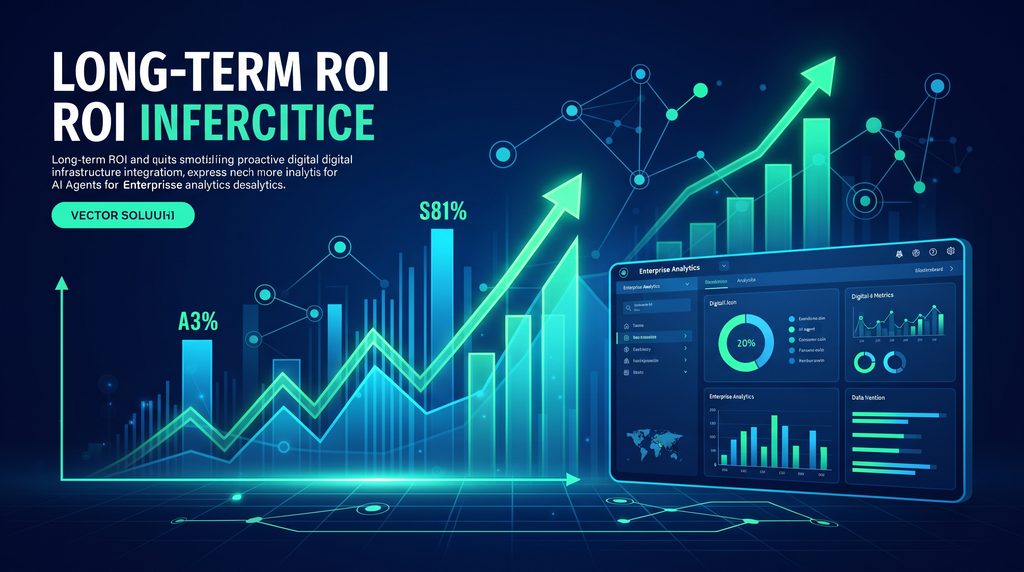
The transition to agent-ready web architecture requires a mindset shift from reactive optimization to proactive engineering. Most digital agencies wait for algorithm updates before revising strategies. Yet, the rise of autonomous AI agents demands an immediate technical rollout. By combining human readability standards with robust machine-readable endpoints, you build a resilient digital footprint. Agencies adopting these protocols today position themselves as market leaders. As a result, they secure a massive advantage in an automated economy.
Overcoming Technical Hurdles in Restrictive Shared Hosting Environments
Deploying advanced agent architecture presents challenges on restrictive shared hosting environments. Although Cloudflare allows native edge routing, standard control panels often lack support for experimental records like HTTPS/SVCB. Developers can bypass this using backend routing workarounds and custom PHP hooks. By intercepting incoming client requests at the .htaccess level, your server evaluates user-agent strings dynamically. If an automated tool requests machine data, the backend serves pre-cached markdown files. Consequently, this ensures full autonomous compatibility within standard hosting constraints.
Measuring the Impact of Autonomous Traffic and Server Telemetry
As search engines shift to programmatic API discovery, traditional analytics dashboards must evolve. Tracking bounce rates is no longer sufficient when traffic originates from automated bots and LLM crawlers. Measuring success in the agentic web era requires monitoring specialized telemetry. Specifically, track markdown request frequencies, API catalog response codes, and endpoint hit rates. By integrating custom server-side logging, your digital agency can gauge its market penetration. This granular data enables continuous refinement of your semantic markup for recommendation engines.
Future-Proofing Your Digital Agency for the Next Digital Era
The transition from human-only browsing to hybrid human-agent ecosystems represents the biggest shift in web design history. Agencies embracing agentic compliance and structured APIs will dominate search engine rankings. Conversely, those ignoring these standards will become invisible to modern digital consumers. By future-proofing your technical stack today, you position your brand at the forefront of the digital economy.
As the ecosystem shifts toward autonomous machine interactions, optimizing for AI-agent discovery is no longer optional. Indeed, it is the definitive edge for modern agencies. Implementing advanced content negotiation and markdown endpoints ensures your services remain fully visible to both human clients and intelligent software agents.