Section 1: Introduction to Search Engine Evolution in 2026
The Digital Ecosystem Transformation
In 2026, web publishers utilizing AI-Powered SEO Automation face unprecedented algorithmic complexity when capturing top search rankings. Furthermore, traditional optimization methods are constantly challenged by advanced machine learning models. Consequently, digital agencies must adapt quickly to stay competitive in fast-moving vertical markets.
At the heart of modern strategy, AI-Powered SEO Automation processes massive datasets instantly. Moreover, it analyzes search intent at staggering speeds to streamline pre-production workflows. However, evaluating content authenticity remains critical for long-term ranking success across major search engine result pages.
The Rise of Machine Intelligence
Modern enterprise workflows rely heavily on platforms that process massive datasets. Specifically, these advanced tools analyze search intent and generate content efficiently. Therefore, productivity increases across digital marketing departments.
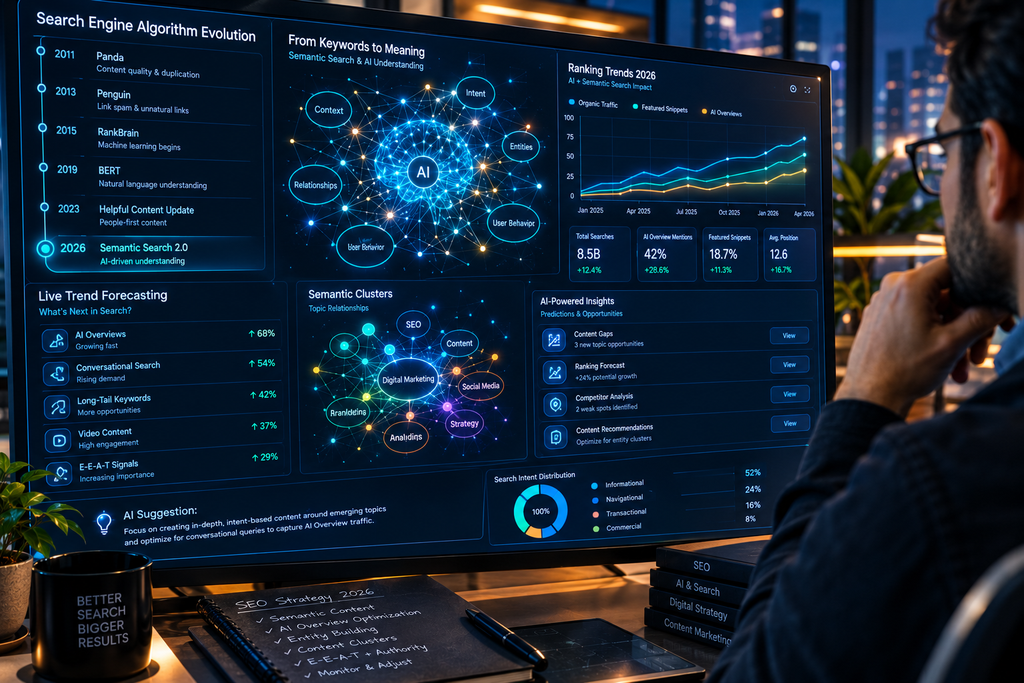
Furthermore, search algorithms have evolved far beyond simple keyword matching. Today, semantic neural networks understand context, nuance, and user satisfaction. Thus, content structure matters more than ever for organic visibility and sustainable traffic acquisition.
Evaluating Content Authenticity
Search engines evaluate content with extreme precision. Therefore, a critical debate centers on whether AI-Powered SEO Automation outperforms human expertise. Meanwhile, publishers seek an optimal balance between scaling output and maintaining brand authenticity.
Historically, keyword research consumed weeks of manual labor. Today, however, advanced systems map semantic intent networks within seconds. Consequently, technical teams save valuable time while improving overall site architecture and internal link distribution.
Section 2: Comprehensive Feature Analysis Using AI-Powered SEO Automation

Navigating Modern SEO Software Landscapes
Navigating modern optimization software requires a granular understanding of automated analytics. Consequently, choosing the right platform depends heavily on specific technical requirements. Moreover, evaluating tools takes careful planning across multiple cross-functional departments.
Enterprise websites frequently struggle with server log inefficiencies and structural bottlenecking. Specialized tools equipped with log file analyzers isolate broken links instantaneously. Thus, crawl efficiency improves dramatically across extensive digital directories and multi-language subdomains.
Maintaining Flawless On-Page Optimization
Integrating AI-Powered SEO Automation allows technical directors to maintain flawless optimization standards. Furthermore, automated analyzers protect crawl budgets across extensive web directories. Accordingly, technical fixes happen much faster.
Building topical authority demands a structured approach to internal linking and entity mapping. Cutting-edge platforms construct exhaustive semantic maps and entity graphs. Therefore, topical coverage remains comprehensive, authoritative, and perfectly aligned with search intent.
Section 3: Human Strategy and Editorial Core Under E-E-A-T

Limitations of Automated Software Platforms
Automated software excels at handling repetitive data analysis tasks. However, it fundamentally lacks lived human experience and genuine authority. Nevertheless, technology remains a useful assistant for modern digital teams.
Google’s emphasis on E-E-A-T creates distinct challenges for purely automated content systems. Technology remains useful only when paired with rigorous editorial guidelines. Hence, authentic experiences drive targeted organic traffic and foster user trust.
Building Emotional Connection and Trust
User engagement metrics depend entirely on human psychological connection and storytelling. Overly automated articles often read as sterile and formulaic to discerning readers. Consequently, user retention and bounce rates can suffer significantly.
Balancing automated tools with empathetic copywriting ensures optimal reader engagement. As a result, conversion rates increase significantly across landing pages. Furthermore, visitors remain deeply motivated to explore further product offerings.
Section 4: Comparative Matrix of AI-Powered SEO Automation Versus Manual Execution

Analyzing Structural Differences in Execution
Automated platforms dominate in processing speed and massive data scale. Conversely, human strategists excel in creative vision and brand alignment. Therefore, hybrid execution works best for modern enterprise websites.
The primary advantage of programmatic software is analyzing millions of queries in minutes. However, human experts must interpret raw data through specific business objectives. Thus, finding the right operational mix is crucial for success.
Cost Efficiency Versus Editorial Quality
Scaling content manually requires massive financial investments in writing teams. Programmatic systems lower production costs but risk severe quality dilution. Hence, rigorous editorial oversight remains mandatory.
Websites built entirely on automated content experience severe algorithmic volatility. Incorporating intelligent software as a supportive assistant ensures operational resilience. Accordingly, agencies secure long-term stability against core ranking updates.
Section 5: Strategic Selection Guide and AI-Powered SEO Automation Frameworks

Moving Beyond False Dichotomies in 2026
Designing an effective enterprise framework requires moving beyond false choices. Successful digital agencies adopt a synergistic model maximizing both software and human strengths. Ultimately, integration drives superior search results.
Integrating AI-Powered SEO Automation into technical audits frees up valuable operational hours. Technical directors review automated reports to prioritize immediate site improvements. Consequently, pre-launch timelines accelerate significantly across client projects.
Continuous Monitoring and Long-Term Leadership
Human strategists define core content pillars after technical foundations are secured. Editors craft detailed briefs using data-driven insights. Hence, writers produce authoritative copy efficiently.
The final pillar involves ongoing performance tracking and anomaly detection. Daily rank tracking guarantees sustained digital growth and market leadership. Accordingly, agencies secure long-term market dominance in competitive landscapes.
For a foundational understanding of these core ranking principles, readers can explore the history and development of search engine optimization on Wikipedia.
For a foundational understanding of these core ranking mechanics, readers can explore the history and development of search engine optimization on Wikipedia.